Digital Transformation in the Industrial Gas Industry
Digital transformation is an overused phrase in almost every industry — but for gas manufacturers and distributors still running on paper registers, disconnected spreadsheets and phone-call reconciliations, it describes a very real and very valuable shift. Done well, it turns cylinders, logistics and billing into a single connected system that everyone from a plant supervisor to a finance controller can see and trust. Done poorly, it becomes an expensive software purchase that nobody actually uses, leaving the paper registers running quietly alongside the new system that was supposed to replace them.
The gas industry is a particularly interesting case study in digital transformation because its core asset — the cylinder — is a physical object that moves constantly between owners, locations and states of fill, and because the industry has historically relied on manual processes that have simply been "good enough" for decades. What has changed is not that manual processes suddenly stopped working, but that the cost of their inefficiency has become impossible to ignore: rising cylinder loss rates, tightening margins, more demanding regulatory scrutiny, and customers who now expect the same digital self-service experience they get from every other supplier in their life.
Why now, specifically
Several forces are converging on gas manufacturers at the same time, and none of them are going away.
- Customer expectations have shifted permanently. Business customers who can track a courier parcel to the minute now expect the same visibility into their gas cylinder deliveries, deposits and returns.
- Margins are thinner than they used to be. Rising input costs and competitive pricing pressure mean that revenue leakage from lost cylinders, unbilled rentals and demurrage can no longer be absorbed quietly.
- Safety and compliance scrutiny is increasing. Regulators and industrial customers alike are asking for documentary proof of testing cycles, fill records and chain of custody that a paper register simply cannot produce on demand.
- Labour and knowledge are harder to retain. Long-serving staff who kept the informal, tribal knowledge of "which customer has which cylinders" are retiring, and that knowledge does not transfer easily through a handover conversation.
- Manual processes actively hide losses. A cylinder that never gets returned by a customer is invisible in a paper register until someone happens to notice during an annual stock count, by which point the loss has already compounded for months.
Manual processes do not just slow operations down — they actively obscure the very problems that transformation is meant to solve. You cannot manage what you cannot see, and a spreadsheet updated once a week by an overworked clerk is not visibility, it is a delayed and incomplete guess.
A staged roadmap, not a big-bang rollout
Digital transformation projects fail more often from trying to do everything at once than from choosing the wrong software. A staged approach delivers value at every step, builds internal confidence in the new system, and gives the organisation time to adjust its habits gradually rather than being forced to relearn every process on a single go-live date.
Stage 1 — Digitise identity
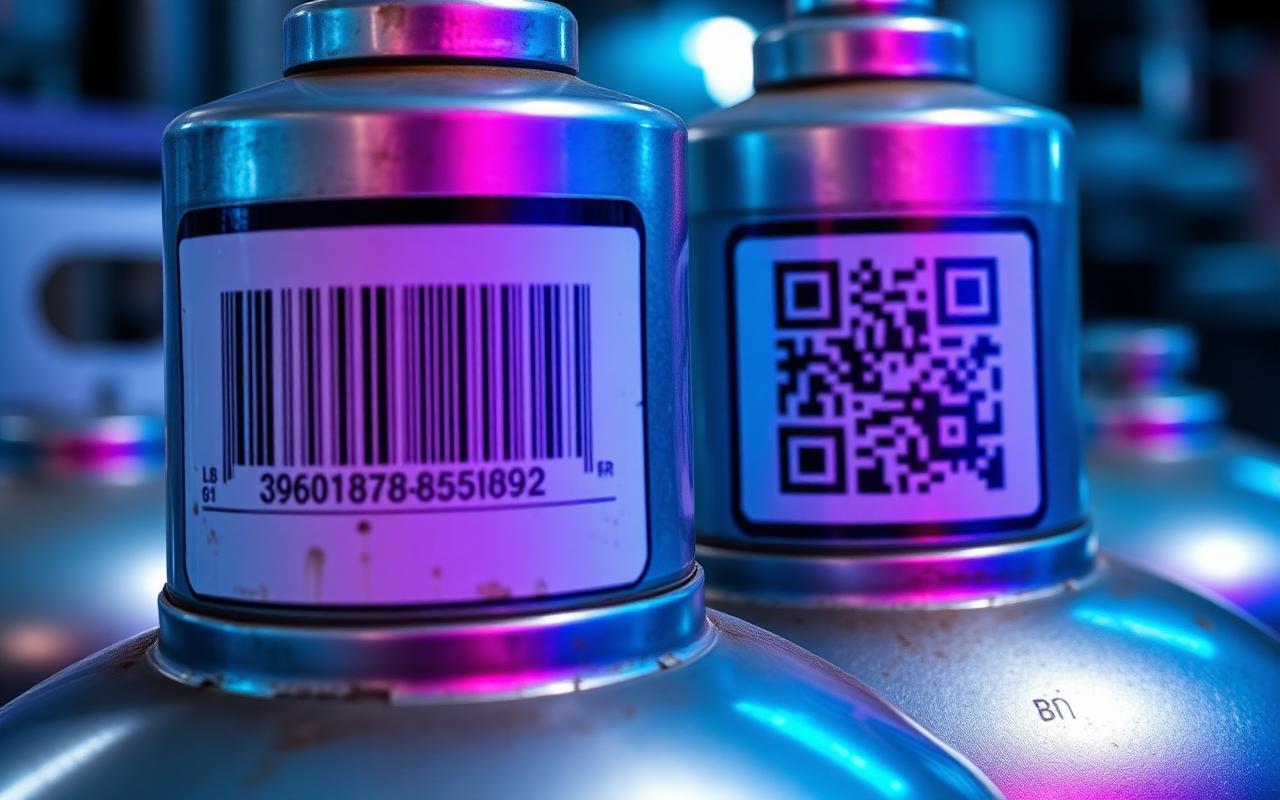
The first and most foundational step is to give every cylinder a barcode, QR code or RFID identity, using tools such as cylinder barcode software, cylinder qr tracking or cylinder rfid software. This alone replaces the paper register and creates the foundation everything else in the roadmap depends on. Without a reliable, unique identity for each cylinder, no later stage of the transformation can work properly — analytics, billing and compliance all depend on being able to say with certainty which specific physical cylinder a given record refers to.
Stage 2 — Capture the workflow
Once identity exists, the next step is to bring filling, testing, dispatch and returns into the system so that every movement is recorded automatically rather than written down after the fact. This is where cylinder dispatch software and cylinder inventory software come into play, turning what used to be a series of disconnected paper slips into a single continuous digital trail from the moment a cylinder enters the filling line to the moment it returns empty.
Stage 3 — Connect finance
With a reliable operational record in place, the next stage ties cylinders to customer ledgers, deposits, rentals and demurrage charges so that revenue leakage stops. Many gas companies are surprised to discover, once this stage is complete, just how much revenue was quietly slipping away through cylinders that sat with customers far longer than their rental terms allowed, or deposits that were never properly reconciled against returns. A cylinder rental software module built on top of accurate movement data closes this gap almost immediately.
Stage 4 — Add intelligence
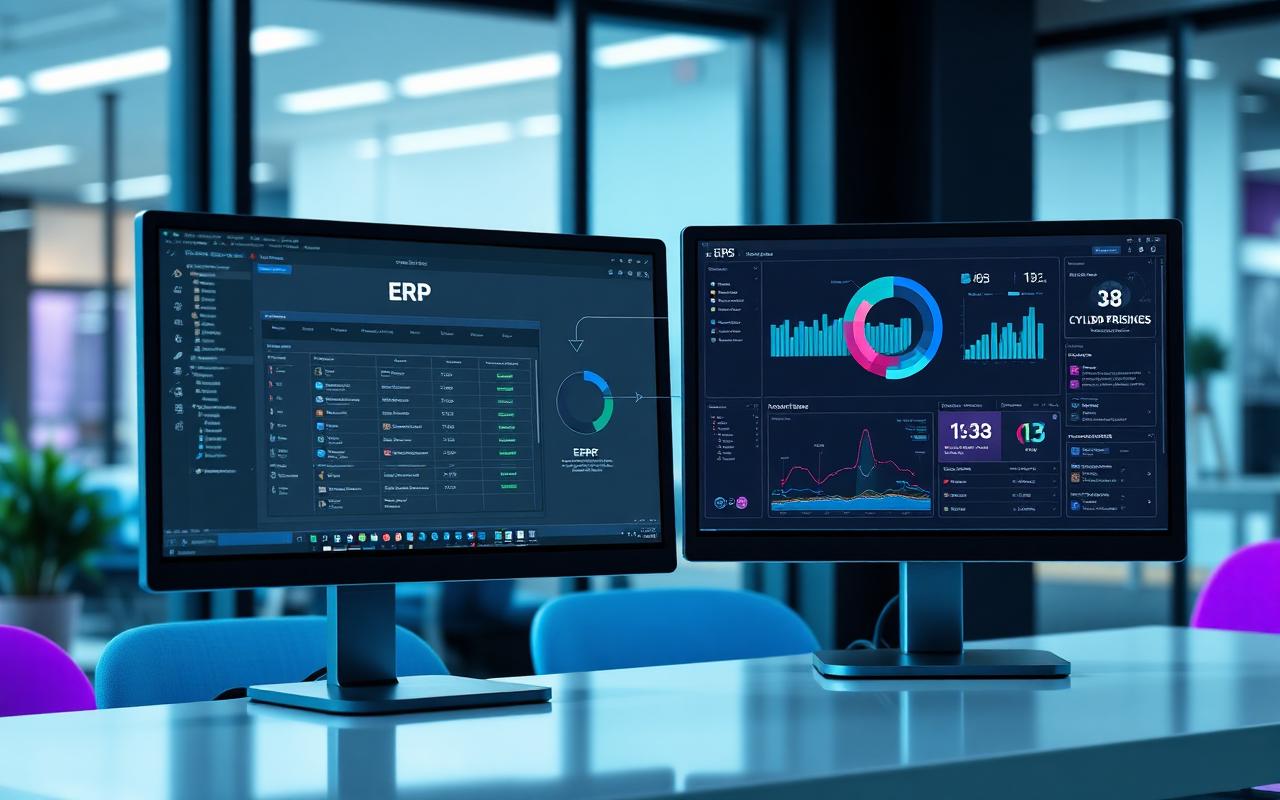
The final stage layers analytics, IoT telemetry and predictive alerts on top of clean underlying data. This is where a cylinder erp approach pays off, unifying operational, financial and compliance data into a single source of truth that supports forecasting, demand planning and proactive maintenance rather than purely reactive record-keeping.
| Stage | Primary win | Typical timeframe | Key risk if skipped |
|---|---|---|---|
| --- | --- | --- | --- |
| Identity | End of paper registers | Weeks | Every later stage is built on unreliable data |
| Workflow | Live operational visibility | 1–2 months | Movements still rely on manual entry and lag behind reality |
| Finance | Revenue recovery | 2–3 months | Leakage continues even after operations are digitised |
| Intelligence | Proactive decisions | Ongoing | Data exists but nobody acts on it early enough to matter |
Managing the human side of the transition
Technology rarely fails digital transformation projects — adoption does. The winning teams involve plant staff early, keep scanning workflows simple, and celebrate quick wins loudly enough that reluctant colleagues take notice.
The single biggest predictor of whether a digital transformation succeeds is not the sophistication of the software but whether the people who touch cylinders every day — filling operators, dispatch clerks, delivery drivers, warehouse staff — actually use it consistently. A system that requires ten taps to log a single cylinder movement will be abandoned within weeks in favour of the old paper slip, no matter how powerful its reporting dashboards look to management.
Practical steps that make adoption stick include:
- Train field teams on a mobile-first app such as a driver mobile app rather than expecting them to use a desktop interface designed for office staff.
- Keep the number of taps per transaction low. If scanning a cylinder and confirming a delivery takes more than a few seconds, staff will find workarounds.
- Show operators how the system makes their day easier, not harder. Framing the rollout purely as a management control measure breeds resentment; framing it as removing tedious paperwork wins genuine buy-in.
- Appoint champions on the shop floor. A respected senior operator who visibly uses and endorses the new system does more to drive adoption than any management memo.
- Fix friction fast. If staff report that a particular scan point is awkward or a workflow step is redundant, address it within days, not the next software release cycle — early frustration compounds into long-term resistance.
What happens to compliance along the way
Digital transformation and regulatory compliance reinforce each other more than most companies expect going in. Once cylinder identity, fill records and testing cycles live in a single digital system, producing an audit trail for cylinder compliance purposes becomes a query rather than a multi-day scramble through filing cabinets. This matters particularly for companies serving regulated end markets such as medical gas customers, where regulators expect documentary proof of batch traceability on demand, or industrial gas customers operating under strict safety regimes.
Testing compliance benefits similarly. A cylinder testing schedule tied to each cylinder's digital record can automatically flag units approaching their hydrostatic test due date, removing the reliance on someone manually cross-referencing a spreadsheet against a wall calendar. This alone often prevents the uncomfortable discovery of overdue cylinders still circulating in the field, an issue that is far more common under manual tracking than most operators realise until they digitise and finally see the full picture.
Measuring the return on transformation
Companies that treat digital transformation purely as a technology purchase, without defining what success looks like, often struggle to justify further investment once the initial rollout is complete. Defining a small number of clear metrics before the project begins makes the return far easier to demonstrate:
- Cylinder loss rate before and after digitisation, typically the fastest and most visible win.
- Days sales outstanding on rental and demurrage billing, which usually improves sharply once Stage 3 connects finance to operations.
- Time to produce a compliance audit trail, moving from days of manual searching to minutes of database query.
- Delivery route efficiency, especially once dispatch data feeds into planning tools.
- Staff time spent on manual reconciliation, which frees up administrative capacity for higher-value work.
The end state worth aiming for
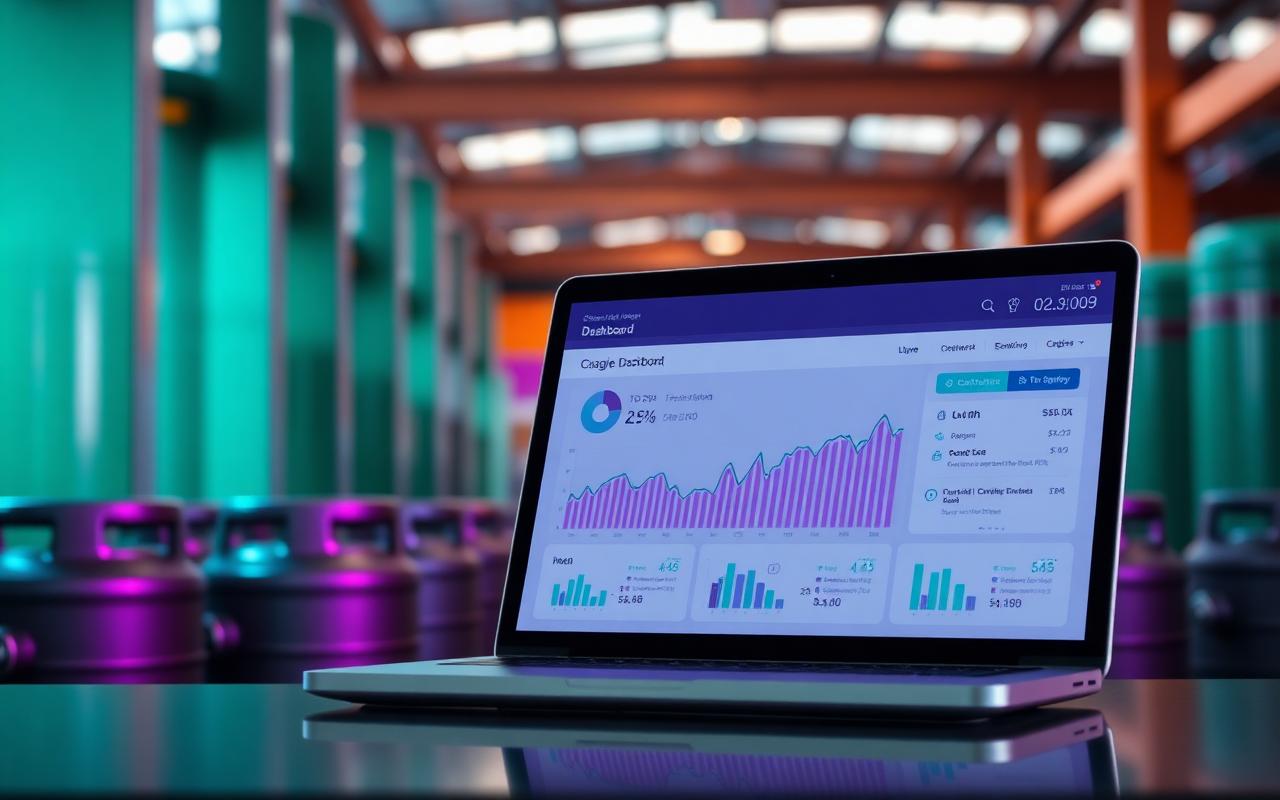
A digitally transformed gas business sees every cylinder in real time, closes its books faster because rental and deposit data reconciles automatically, proves compliance on demand rather than after days of searching, and delights customers with self-service portals that answer questions before they even need to call. Warehouse operations benefit too, since a properly digitised cylinder warehouse can plan storage and retrieval far more efficiently once every cylinder's location and status is known with certainty rather than approximated.
Frequently asked questions
How long does a full digital transformation typically take for a mid-sized gas distributor? Most companies see the paper register replaced within weeks, operational visibility within one to two months, financial reconciliation improvements within two to three months, and analytics maturing on an ongoing basis after that.
Is it possible to digitise gradually across multiple depots rather than all at once? Yes, and it is usually preferable. Piloting the full four-stage roadmap at one depot before expanding lets a company fix workflow issues on a small scale before they multiply across the network.
What is the biggest single cause of failed transformation projects? Poor adoption by field staff, almost always traceable to workflows that are too slow or complicated for daily use, rather than any shortcoming in the underlying software itself.
Does digital transformation replace the need for staff, or just their paperwork? It removes manual reconciliation and paperwork, freeing staff to focus on customer service, route planning and other higher-value work rather than eliminating roles outright.
GCT is built to take gas companies through every stage of this journey on a single platform, from the first barcode label printed on a cylinder to the analytics dashboard a general manager checks each morning. Ready to plan your roadmap? Talk to us or book a demo to see the full journey mapped to your own operation.
Common pitfalls to avoid along the way
Several recurring mistakes derail otherwise well-intentioned transformation projects, and recognising them early can save months of wasted effort. The first is treating the software rollout as an IT project rather than an operational change, which leaves the people actually handling cylinders without a voice in how the new workflow is designed. The second is underestimating the effort required to clean up legacy data — migrating years of inconsistent paper records into a structured digital format is rarely as simple as a straightforward import, and companies that skip this step often end up with a system full of duplicate or orphaned cylinder records that undermine trust in the data from day one. The third is measuring success only in terms of software go-live rather than actual behaviour change on the ground; a system that is technically live but only used by a fraction of staff has not delivered transformation, only added a new tool nobody trusts yet.
A less obvious pitfall is choosing a platform that handles only one piece of the puzzle — say, barcode identity — without a credible path toward the finance and intelligence stages. Companies that start with a narrow point solution often find themselves migrating to a broader platform within a year or two anyway, effectively repeating Stage 1 with a different vendor. Choosing a platform designed to grow through all four stages from the outset avoids this costly restart.
Vendor evaluation criteria for gas companies
Companies evaluating software partners for this journey should look beyond feature checklists to a handful of practical questions: does the vendor have experience specifically with gas cylinder operations rather than generic asset tracking, can the mobile app work reliably in low-connectivity plant environments, does the platform support the specific compliance and testing cycle requirements relevant to the company's gas types, and can the vendor demonstrate a track record of companies that successfully progressed through all four stages rather than stalling at digitised identity alone. These questions matter more in practice than a long list of features that may never be used.
Explore related GCT software
Put the ideas in this article into practice with the GCT modules and technologies built for it.
Run a smarter cylinder fleet with GCT
GCT gives gas companies barcode, QR & RFID tracking, automated billing, compliance dashboards and a mobile field app — all in one platform.
Running an enterprise gas distribution operation? Explore the Cylinder Tracking Management System at ctmsgas.com for enterprise-grade cylinder ERP deployments.