Barcode
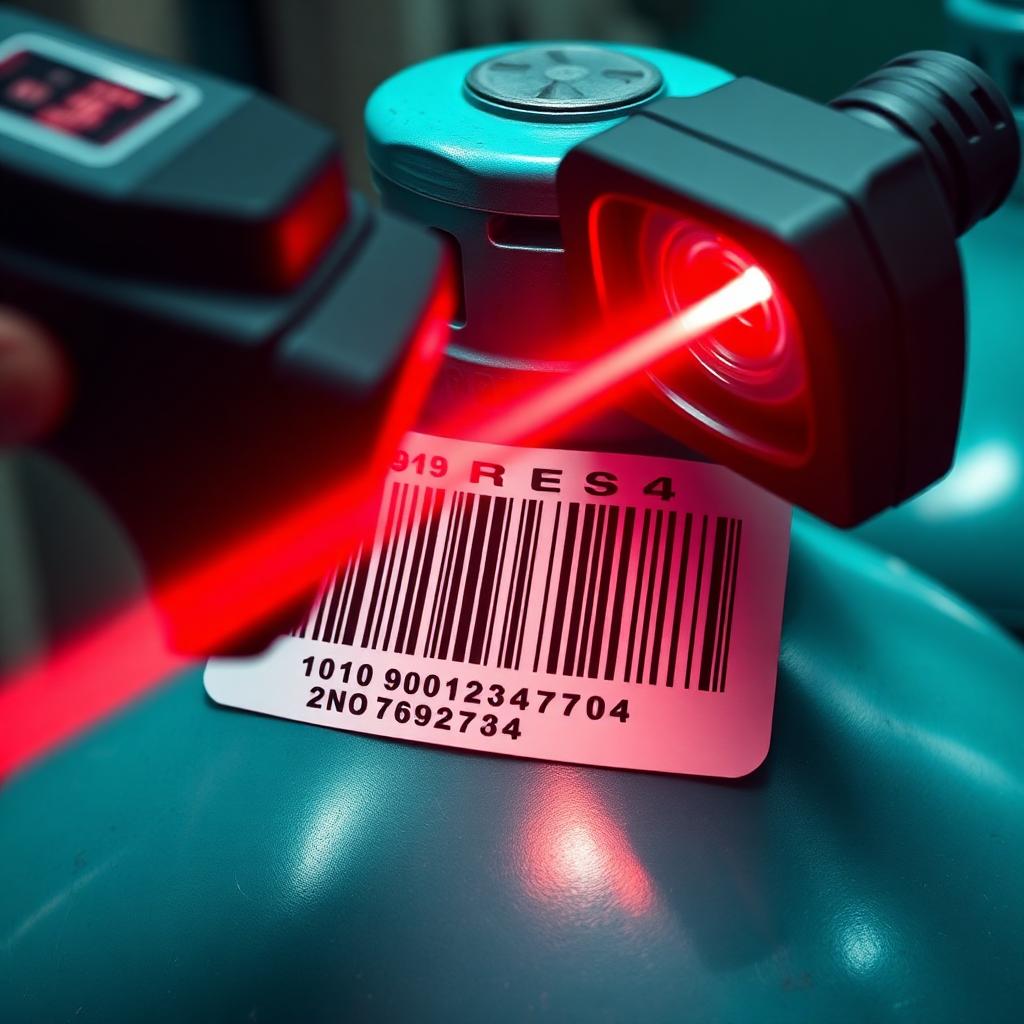
Barcode is the workhorse of cylinder identification — a printed 1D code gives each cylinder a unique ID that a scanner reads instantly, replacing error-prone manual entry.
Its enduring appeal is economics: labels cost pennies, scanners are cheap, and even a phone can read them, which makes barcode the fastest and lowest-risk way to begin tracking.
For most gas businesses leaving paper behind, barcode delivers the biggest accuracy gain per rupee before RFID becomes worthwhile.
Key benefits
Lowest cost to start
Cheap labels and scanners make barcode the most affordable tracking technology.
Immediate accuracy
A single scan eliminates the typos and mismatches of manual number entry.
Phone-friendly
Standard smartphones can read barcodes, cutting hardware needs.
Proven everywhere
A mature, reliable standard understood by every operator.
What's included
- 1D barcode label printing
- Durable, weather-resistant labels
- Handheld and smartphone scanning
- One-scan movement capture
- Low per-cylinder cost
- Simple, fast fleet onboarding
Frequently asked questions
Why is barcode so widely used?
It is inexpensive, reliable and instantly improves accuracy over manual entry, making it the easiest starting point for cylinder tracking.
Can a phone read cylinder barcodes?
Yes, standard smartphones can scan barcodes, though many operations also use rugged handheld scanners.
Do barcodes survive industrial use?
With weather-resistant, industrial-grade labels, barcodes hold up well to cylinder handling and storage.
When should I consider RFID instead?
When your volumes make cylinder-by-cylinder scanning a bottleneck; RFID adds bulk reads on top of your barcode foundation.
Ready to gain full control of every cylinder?
Book a personalized GCT demo and see how leading gas companies eliminate cylinder losses.