IoT
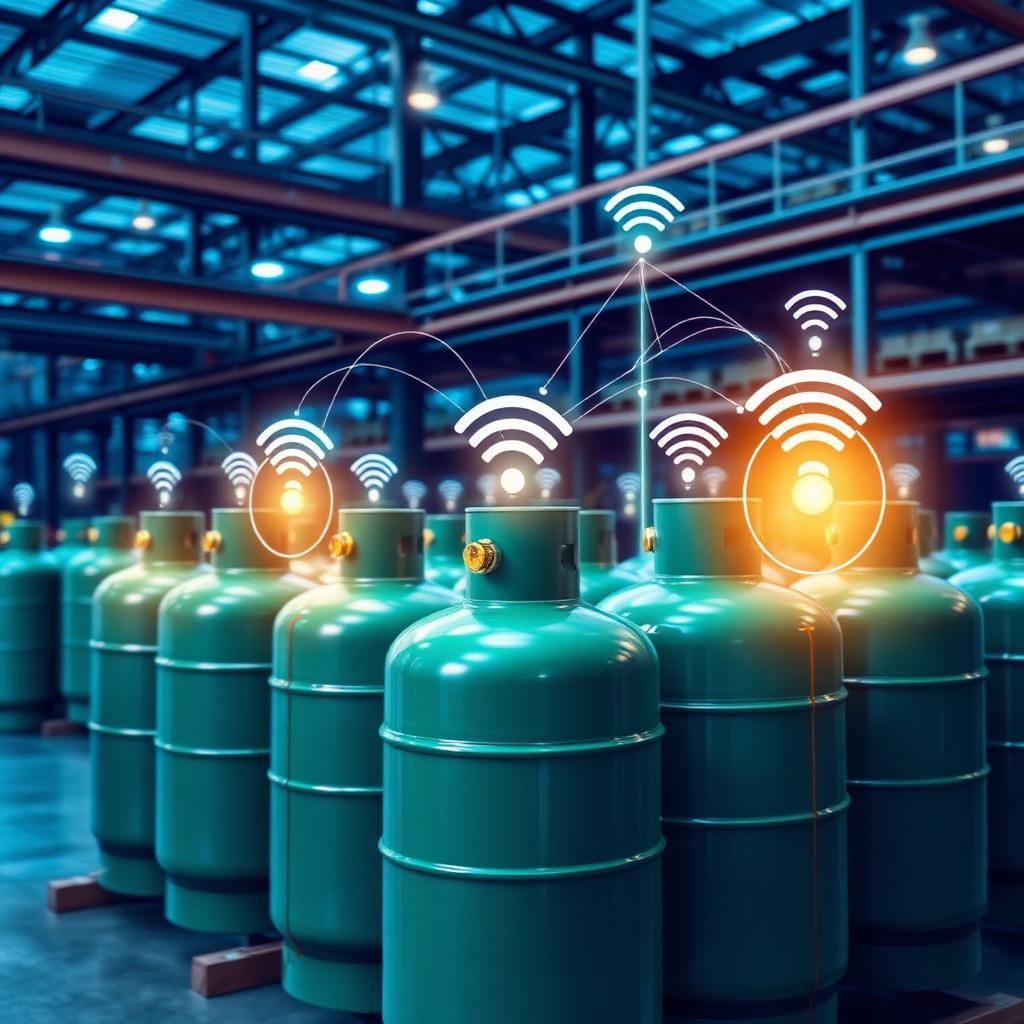
IoT (the Internet of Things) adds live senses to cylinders — connected sensors can report pressure, fill level, temperature and location continuously rather than only when a cylinder is scanned.
This telemetry turns tracking from event-based to always-on: you learn a cylinder is running low or has moved without waiting for the next manual read.
For high-value gases and critical supply, IoT enables proactive refills, leak alerts and true real-time visibility across the fleet.
Key benefits
Always-on visibility
Sensors report status continuously instead of only at scan points.
Proactive refills
Low-level alerts let you refill before a customer runs out.
Safety alerts
Abnormal pressure or temperature can trigger immediate warnings.
Live location
Connected trackers show where high-value cylinders are in real time.
What's included
- Connected pressure and level sensors
- Real-time telemetry streaming
- Location and movement monitoring
- Automated threshold-based alerts
- Predictive refill and demand signals
- Integration with GCT dashboards
Frequently asked questions
What can IoT sensors measure on a cylinder?
Depending on the device, they can report pressure, fill level, temperature and location, streaming this data in real time.
How is IoT different from barcode or RFID?
Barcode and RFID identify a cylinder when read; IoT sensors report a cylinder's condition continuously, without a manual scan.
Where does IoT add the most value?
For high-value gases and critical supply, where proactive refills and safety alerts justify the sensor cost.
Does IoT data flow into GCT?
Yes, telemetry integrates into GCT dashboards and can trigger automated alerts and workflows.
Ready to gain full control of every cylinder?
Book a personalized GCT demo and see how leading gas companies eliminate cylinder losses.